Share This Article
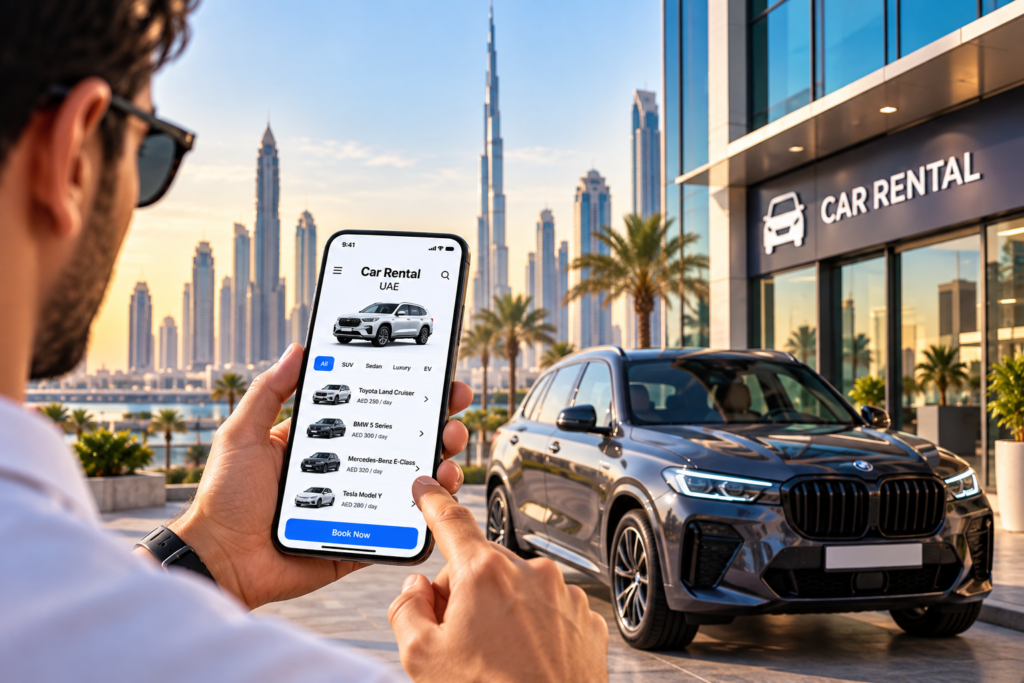
The UAE’s rental industry is gradually moving away from paper receipts and rental counter lines. As the country digitizes, modern drivers are embracing car access through their smartphones. Car rental services are replacing paperwork with mobile platforms that simplify bookings and reduce the time required to rent a vehicle. Rental companies are integrating digital tools into their daily operations to provide faster, more transparent access to cars across the emirates.
This shift toward app-based systems benefits both residents and international visitors. For business trips and weekend travel, renters can use online car rental platforms without visiting an office. They can browse different car models, make payments, and receive instant digital confirmation. Car rental in the UAE is becoming increasingly digital, and several technological developments are driving this transformation.
Table of Contents
App-Based Booking and Seamless Onboarding
Digital rental apps allow drivers to choose vehicles within minutes. Several technologies are helping make the rental process faster, more convenient, and more accessible.
Contactless Identity Verification
Drivers can now verify their identities digitally instead of presenting physical paperwork at rental counters. Depending on the provider’s requirements, their passports, visit visas, or Emirates IDs may be submitted through rental platforms.
The UAE has also developed digital identity infrastructure to simplify access to online services. The official UAE Pass digital identity platform enables users to verify their identities and authenticate themselves when accessing participating services.
Digital verification can reduce administrative delays before vehicle collection. However, the information collected and the verification process depend on the rental provider and applicable requirements.
Instant Mobile Reservations
Rental apps display available vehicles and allow customers to select their preferred models, rental periods, and pickup locations. Integrated pricing systems can show rental fees, insurance costs, and security deposits before customers confirm their bookings.
Digital payment options also make transactions more convenient. Customers can complete reservations remotely and receive confirmation without visiting a physical office.
These developments reflect a broader shift toward digital-first automotive services. As explored in TechPluto’s article on the rise of digital-first automobile startups, technology is changing how consumers discover, access, and use vehicles.
Keyless Vehicle Access
Connected vehicle technology is making contactless rentals increasingly practical. Encrypted Bluetooth connections and other digital access systems can allow smartphones to function as virtual car keys.
Depending on the vehicle and rental platform, customers may be able to locate their assigned parking space, unlock the doors through an app, and start their journey without visiting an administrative desk.
Remote vehicle access relies on communication between the vehicle, the rental platform, and associated digital systems. These arrangements can simplify vehicle collection, although availability varies by provider and vehicle model.
Smart Fleet Technologies and Connectivity
Digital transformation is also changing how rental companies manage their fleets. Connected vehicles, tracking systems, and predictive maintenance tools can help operators monitor their assets and respond to operational problems more efficiently.
Live GPS Tracking
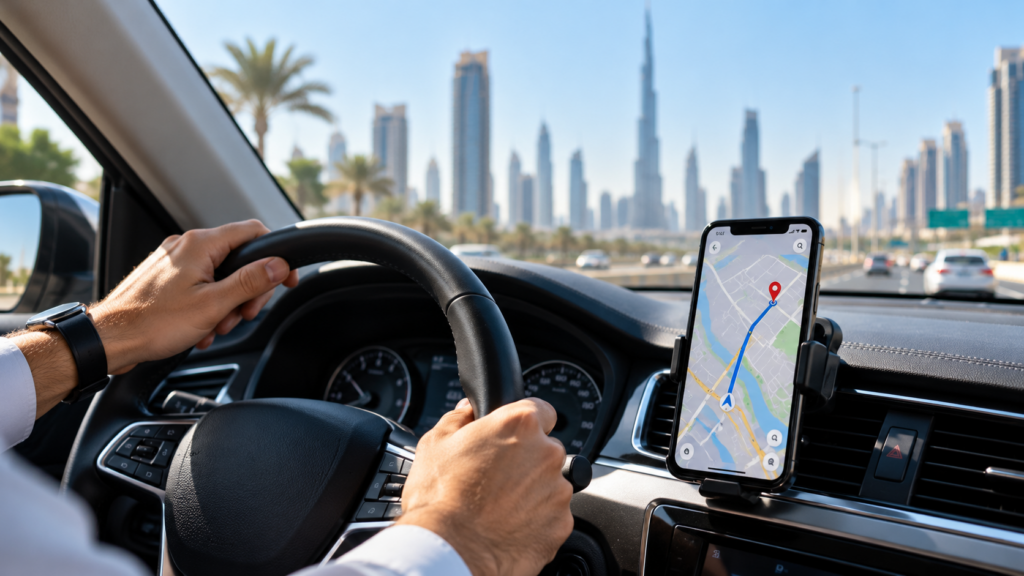
GPS tracking systems can transmit vehicle location data to fleet management platforms. In the UAE, rental operators must also consider applicable transport regulations and requirements established by authorities such as the Roads and Transport Authority (RTA).
Location monitoring can help rental companies manage vehicle availability, coordinate roadside assistance, and improve asset security. When a breakdown occurs on a major highway, access to accurate location information can help operators identify the vehicle’s position and coordinate an appropriate response.
The effectiveness of these systems depends on network coverage, tracking equipment, and the operator’s fleet management processes.
Maintenance Automation
Connected vehicle systems can help rental companies monitor mileage, maintenance schedules, and selected vehicle performance indicators. Predictive maintenance software can use available data to identify potential problems before they develop into more expensive repairs.
Live mileage records also help operators schedule routine servicing and monitor vehicle usage. These capabilities can reduce unexpected downtime and help rental companies maintain their fleets more consistently.
For customers, effective fleet maintenance can translate into more reliable vehicles and fewer disruptions during a rental period.
Telematics for Driving Safety
Vehicle telematics can record driving-related information, including speed, braking patterns, and acceleration. Fleet operators may use this information to understand vehicle usage and identify potential safety concerns.
Some rental platforms may also offer loyalty benefits or discounts to customers who meet their driving or rental program requirements. However, such rewards depend on individual providers and are not a standard feature across the industry.
When implemented responsibly, telematics can support fleet management and encourage safer driving. Companies should also explain their data collection practices and handle customer information in accordance with applicable privacy requirements.
What the Future Holds for UAE Car Rentals
The next stage of digital car rental will likely involve more personalized services, connected vehicles, and flexible access models.
Personalized Rental Experiences
Rental platforms can use customer preferences and previous bookings to recommend suitable vehicles. For example, a customer who frequently books SUVs for family trips may receive recommendations based on vehicle size, availability, and rental duration.
Personalization can make the booking process more convenient by reducing the time customers spend comparing options. However, recommendations should remain transparent, relevant, and based on information customers have agreed to share.
Electric Vehicles and Charging Infrastructure
Electric vehicles are becoming an increasingly important part of the mobility conversation in the UAE. Expanding charging infrastructure can make electric rentals more practical for residents and visitors who want to reduce their reliance on petrol-powered vehicles.
Dubai’s charging network continues to develop through initiatives such as DEWA’s EV Green Charger programme.
For rental companies, electric vehicles introduce additional considerations, including charging availability, battery range, vehicle utilization, and charging time. Convenient access to charging stations can help address some of these concerns, particularly for customers planning longer journeys.
Renting an electric vehicle can also give customers an opportunity to experience electric mobility without purchasing a vehicle outright.
AI-Powered Pricing and Flexible Subscriptions
Digital rental platforms can use demand patterns, vehicle availability, rental duration, and seasonal trends to adjust prices. Automated pricing systems can help operators manage their fleets and respond to changes in customer demand.
However, dynamic pricing does not necessarily guarantee lower costs for customers. Rental prices can rise during busy periods, holidays, and major events. Transparent pricing and clear disclosure of additional charges remain important to the customer experience.
Flexible rental subscriptions are another potential development. Instead of committing to a single vehicle for an extended period, customers may be able to switch models according to changing commuting needs, subject to the provider’s terms.
These models could appeal to residents who need temporary access to different vehicle types without the long-term commitments associated with ownership.
Connected and Multimodal Transportation
The future of mobility will extend beyond individual rental cars. Digital platforms may increasingly connect rental vehicles with electric scooters, public transportation, and other urban mobility services.
Autonomous vehicle technology could eventually influence rental operations as well, although widespread adoption will depend on technological maturity, infrastructure, regulation, and commercial viability.
As discussed in TechPluto’s coverage of digital transformation in automotive sales, digital platforms are changing how customers discover and access vehicles. Car rental services are part of this broader shift toward connected, technology-enabled mobility.
Conclusion
Mobility in the UAE is evolving as digital technologies reshape how people access and use vehicles. Mobile booking platforms, digital identity verification, connected fleet management, and contactless vehicle access are helping make car rentals more convenient for residents and international visitors.
Electric vehicles, smarter fleet operations, and flexible rental models could further transform the industry. Their long-term impact will depend on infrastructure, pricing transparency, regulatory requirements, and customer adoption.
As rental companies continue to invest in digital capabilities, the experience of renting a car in the UAE is likely to become increasingly connected, flexible, and convenient.